Coldcard’s Hidden Flaw: How a Software RNG Slipped Past 15 Audits for Years
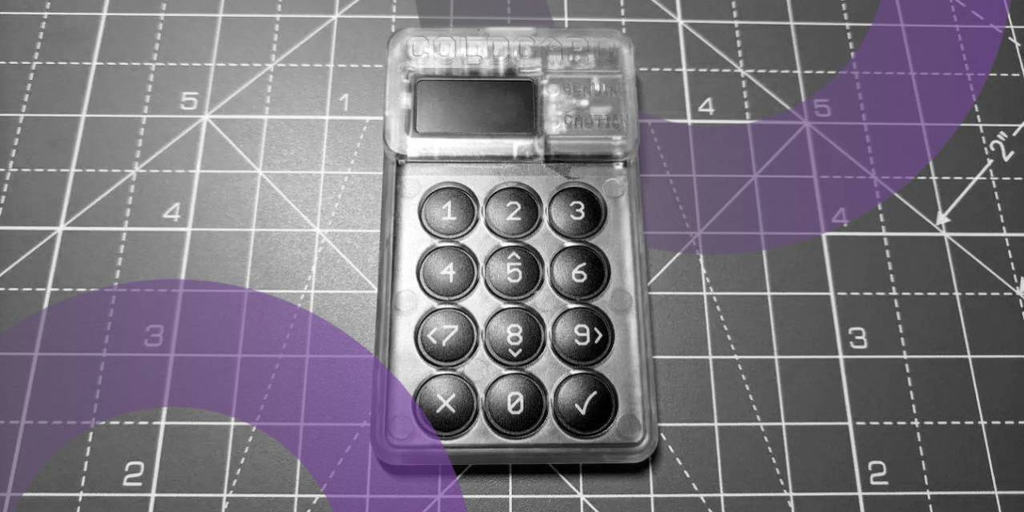
Cointime reports: Coinkite, the company behind the Coldcard hardware wallet, has published a postmortem revealing that a software-based random number generator (RNG) was shipped in place of the hardware RNG for over five years, eluding at least 15 security reviews. The flaw, which could have compromised the entropy used to generate private keys, raises serious questions about the audit process for hardware wallets—devices trusted to secure billions in crypto assets.
The Technical Breakdown
The issue stemmed from a subtle implementation error: the firmware defaulted to a software RNG under certain conditions, rather than the dedicated hardware RNG chip. This meant that in some scenarios, the randomness used for key generation was less robust than intended. While no known exploits have drained funds, the revelation underscores the fragility of trust in self-custody solutions.
Why Audits Missed It
The fact that 15 reviews failed to catch the flaw is alarming. Audits often focus on code correctness and known attack vectors, but may overlook subtle deviations from intended hardware behavior. The Coldcard case highlights the need for deeper integration testing and adversarial analysis, especially for devices that claim to use hardware-based entropy. It also points to a broader issue: as hardware wallets become more complex, the gap between design and implementation can widen.
Implications for the Hardware Wallet Industry
Coldcard has long been a favorite among Bitcoin maximalists for its security-first design and air-gapped functionality. This incident could erode user confidence, at least temporarily. Competitors may seize the opportunity to emphasize their own audit rigor. More importantly, it may accelerate calls for standardized, open-source RNG verification and third-party certification for hardware wallets.
Forward-Looking Perspective
Coinkite has released a firmware update to address the issue and is urging users to upgrade. The company’s transparency in publishing a detailed postmortem is commendable, but the incident serves as a wake-up call. As crypto adoption grows, the security of self-custody tools must evolve beyond periodic audits to continuous, real-world validation. Users should verify firmware signatures and stay informed about updates. The Coldcard flaw is a reminder that even the most trusted devices can harbor hidden weaknesses—and that vigilance is the price of sovereignty.