Tether’s Reserve Buffer Under Pressure
Cointime reports: Tether’s excess reserves—its financial cushion above liabilities—have fallen sharply from $7.95 billion at the end of September to roughly $2.8 billion today, as declines in gold and Bitcoin erode the stablecoin issuer’s safety margin. The buffer is designed to absorb losses before any USDT holder is affected.
Gold’s Outsized Impact
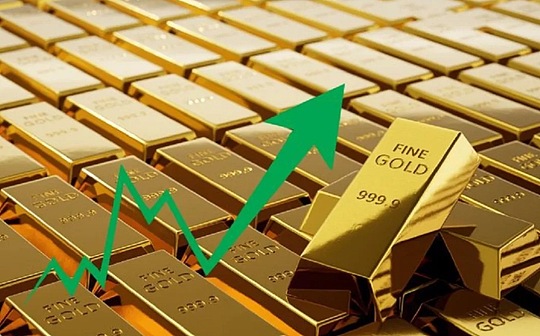
Gold, not Bitcoin, is now the key driver of Tether’s reserve health. Tether holds $16.3 billion in gold versus $6 billion in Bitcoin, meaning a 1% drop in gold reduces the buffer by about $163 million, compared to $60 million for Bitcoin. Since September 30, gold has fallen 15% and Bitcoin 28%, wiping out $2.8 billion and $2.3 billion respectively.
If Bitcoin holds steady, gold would need to fall another 17% to about $2,940/oz to exhaust the buffer. A simultaneous 13% drop in both assets would also zero it out. Tether’s own transparency data shows a ‘shareholder_eq’ field at $5.47 billion, which appears to reflect Bitcoin losses but not gold’s decline—potentially overstating the buffer by about $2.8 billion.
Stock Holdings Add Risk
Tether’s $4.18 billion equity portfolio, which includes a controlling stake in Bitcoin treasury firm Twenty One Capital (XXI), has also depreciated. XXI is down 38% since September 30, and the GDX gold miners fund is down 22%. If Tether’s equities fell similarly, the buffer could shrink to $1.2–1.9 billion, leaving gold needing only an 8–12% further decline to erase it entirely.
Redemptions and Forward Outlook
USDT redemptions have proceeded smoothly, with $8.75 billion redeemed since September and USDT trading at $0.9985. Tether still holds $139.6 billion in short-term Treasuries and cash, covering 76% of liabilities. The real risk is the next reserve report, expected in late January, which could show coverage below 100% if gold or equities decline further. For now, USDT holders face no immediate redemption issues, but the shrinking buffer warrants close attention to gold prices—particularly the $3,000/oz level, where the buffer would be just $300 million.