Nasdaq’s Wild Reversal Masks Deep AI Debt Fears
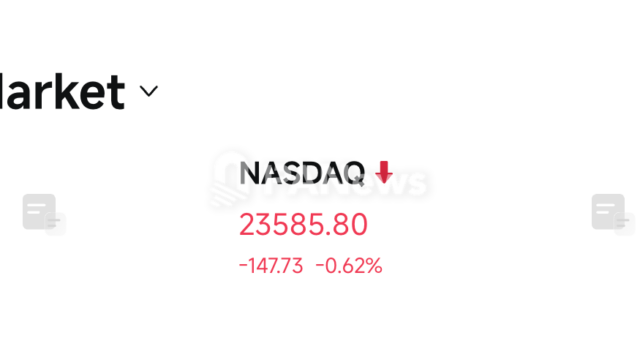
Cointime reports: On Wednesday, the Nasdaq 100 staged a dramatic intraday comeback, recovering from a near 5% plunge in the first 15 minutes that briefly pushed the index into bear market territory. It closed down just 1%, while the Dow rose 164 points. The rebound was fueled by FCC approval for SpaceX’s satellite data centers, short covering, and renewed yen carry trades. Yet the underlying anxiety over AI returns and debt risks persists.
Credit Markets Flash Red
While equities bounced, credit markets sent a more ominous signal. S&P Global placed Nvidia’s AA rating on negative watch, citing governance concerns. Credit default swaps for hyperscale data centers hit record highs, and CoreWeave’s 2031 bonds fell to 72 cents on the dollar. “Credit investors are the real lifeline of the AI trade, and they are getting very nervous,” said Joseph Zidle of Cresset Capital. Investment-grade spreads remain near their highest since May 2025, showing bond investors are not buying the dip.
Historical Patterns Offer Hope
History suggests limited downside without a recession. Since 2000, non-recession bear markets have seen a median decline of 23% over 80 trading days. When the index officially crosses the 20% threshold, 92% of the ultimate decline has already occurred. Median 12-month returns after confirmation are 43.1%. However, volatility spikes: 85% of best days and 95% of worst days occur during bear markets.
Implications for Crypto
Crypto assets, increasingly correlated with tech stocks, may face heightened volatility. Safe-haven flows could support Treasuries and the dollar, while commodities may suffer. The yen carry trade remains a wildcard—any sharp yen appreciation could trigger renewed deleveraging.
Investor Takeaways
- Watch credit markets: CDS spreads and bond prices of AI infrastructure firms like CoreWeave for contagion signs.
- AI capex scrutiny intensifies: investors now assess who can profit and when, favoring companies with clear monetization paths.
- Volatility likely persists amid Fed tightening, geopolitical conflicts, and sticky inflation.
- Historical patterns suggest limited downside without a recession, but bottom-fishing is tricky—focus on quality and balance sheet strength.