Ethereum Pins Glamsterdam Testnet Date After Security Delay
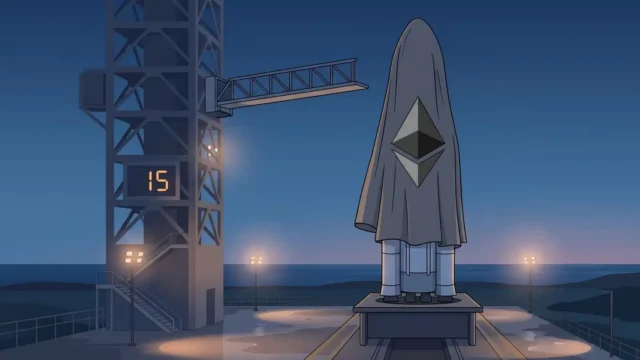
Cointime reports: Ethereum developers have scheduled the Glamsterdam upgrade on the Hoodi test network for December 15, 2026, at 19:12 UTC (epoch 143,616), more than a month after security concerns forced them to call off the fork. The decision came during Thursday’s All Core Devs Consensus call, with December 15 chosen over December 16. Execution and consensus client teams are expected to cut releases by early next week.
Gas changes go ahead unaltered
The Hoodi fork was originally due on October 26 but was postponed after security firm ChainSecurity warned that Glamsterdam’s gas changes could weaken safeguards in existing smart contracts, citing 13 real-world examples. At the center is EIP-8037, which raises the cost of creating new data to slow state growth and meters that cost separately from other computation, allowing gas to be returned to a contract during execution—something some contracts’ security checks do not expect.
After reviewing feedback from execution-layer clients, developers reached rough consensus to ship EIP-8037 as is, rather than delay further or change the specification. Under the proposal, creating a new account would cost about seven times as much gas as today, and deploying a 24 kB contract about eight times as much. Its authors said the change would cap state growth at a target of about 120 GiB a year at a 150 million gas limit.
The upgrade has already gone live on Sepolia, where it began producing blocks in October with a gas limit more than three times mainnet’s. Developers have not yet set a date for mainnet.
Hegotá scope still open
Consensus-layer teams also agreed on a fix for validating blocks from builders, picking a less disruptive stopgap over a cleaner solution requiring a consensus-breaking change. Developers did not decide whether to keep FOCIL, a proposal to make builder censorship harder, as a headline feature of Hegotá, Ethereum’s next upgrade. Some argued it should be dropped to free resources for quantum-computer defenses; others said both can proceed in parallel. A decision is expected around December 10.
Developers agreed to give post-quantum and AI security threats higher priority at what was described as a “DEFCON 2-3” urgency level. The Ethereum Foundation has said AI poses a more urgent threat than quantum computing.
Implications
Shipping EIP-8037 unchanged signals a preference for schedule discipline over spec churn, but the 13 flagged contracts remain a live risk to audit. A mainnet date—and the eventual Hegotá scope—will be the next catalysts for ETH sentiment.