OKXICE Opens With $1.64M Volume, but 93% Comes From a Suspected Liquidity Provider
OKXICE, the tokenized-stock venue jointly run by OKX and Intercontinental Exchange (ICE), completed about $1.64 million in first-day trading. A wallet suspected to be a platform liquidity provider contributed roughly 93% of that volume, leaving customer wallets with about $121,000. The venue is the first to open under a temporary, conditional SEC innovation exemption.
Market Context
Tokenized stocks are no longer a niche: Token Terminal puts the sector’s market capitalization at about $4.8 billion as of November 13, 2026, up 9.1x over twelve months. OKXICE’s debut did not match that momentum. Only six stocks—Coinbase, Circle, Robinhood, Strategy, Securitize and BitGo—traded on day one, all tied to crypto or digital securities. Four of them accounted for 99% of volume.
Issuer Pushback and Political Risk
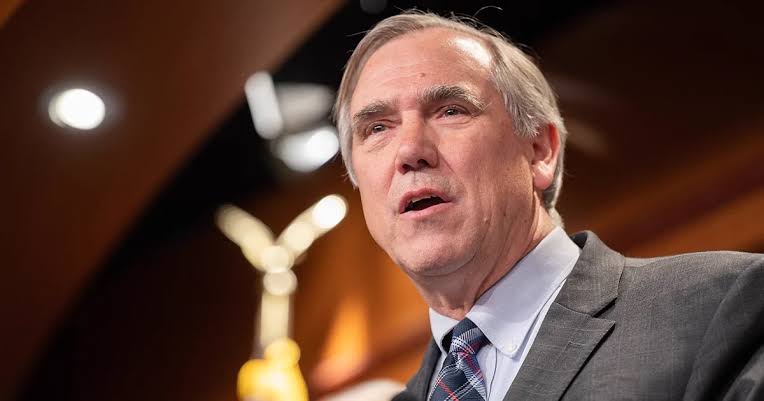
Of the 62 companies initially selected, about 56 objected during the SEC’s 30-day notice period, leaving the six that launched. Senator Elizabeth Warren and colleagues have now asked SEC Chair Paul Atkins to withdraw the innovation exemption and a related ‘Regulation Crypto Assets’ proposal, arguing the process skipped full public comment and could create a ‘shadow stock market’ with weak investor protections. The SEC has not withdrawn the exemption.
What a Reversal Would Mean
The exemption lets OKXICE operate without registering as a national securities exchange or ATS, and lets certain liquidity providers act without broker-dealer registration. If withdrawn, the platform would need a regulated venue, brokers and disclosure systems; market makers would likely pull liquidity first. Holders would face redemption uncertainty, with public filings offering little detail on timing or off-hours processing.
Outlook
Tokenized stocks would not disappear—Nasdaq, NYSE and DTCC can pursue tokenized settlement inside the existing system—but the U.S. would lose a parallel, retail-facing on-chain path. Watch three signals: whether customer volume rises, whether more issuers join, and whether the SEC keeps the channel open.