Cobo CEO Shenyu: AI Reshaped My MBTI — And the Crypto Workday
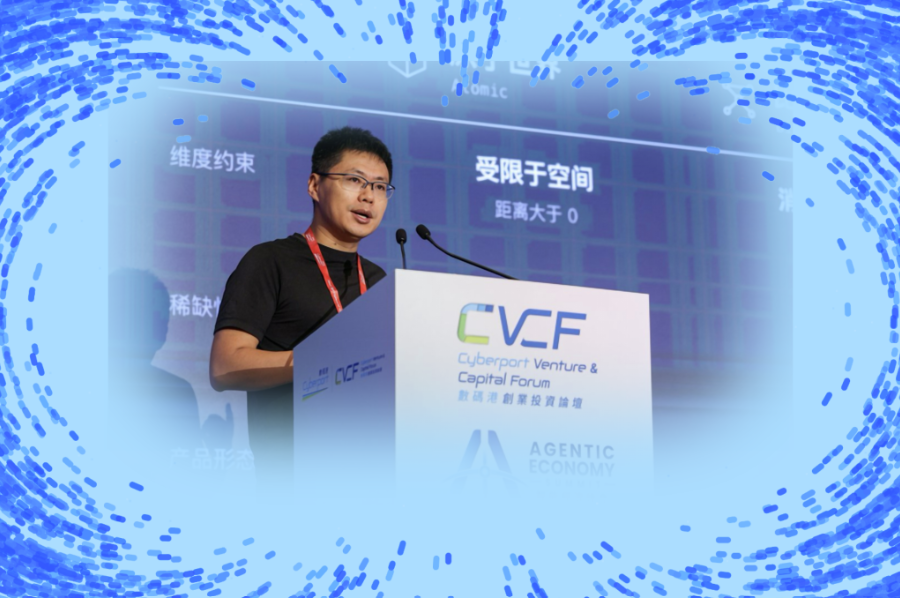
Cobo CEO Shenyu, one of the crypto industry’s most prominent founders, says artificial intelligence has fundamentally altered his personality type and daily rhythm, offering a rare personal window into how AI is reshaping leadership inside blockchain firms. In a social media reflection, Shenyu said AI has changed his MBTI — the popular personality framework — and asked followers whether their own 24 hours have become “thicker” in the AI era.
A Personal Signal With Industry Weight
Shenyu’s observation is not merely a personality quirk. As CEO of a major crypto custody provider, his workflow touches security, compliance, engineering and client relationships. If AI can shift a founder’s cognitive style, it suggests similar changes are underway across crypto teams — from smart-contract auditing and on-chain monitoring to research and customer support.
The phrase “stealing the wisdom of heaven,” which Shenyu used, captures a broader sentiment in the crypto community: AI tools are being adopted rapidly by developers, traders and protocol teams to compress tasks that once took hours into minutes. The result is a workday that feels denser — more output, more context, more decisions — even if the clock still says 24 hours.
AI Meets Crypto Infrastructure
The intersection is already visible. Custody firms are exploring AI for anomaly detection and compliance screening; DeFi protocols are testing AI agents for risk management and user support; exchanges are deploying machine learning for fraud detection. Shenyu’s comment lands as crypto firms increasingly treat AI as infrastructure rather than novelty.
But the shift also raises questions. AI-generated code and analysis can accelerate development, yet they introduce new attack surfaces and accountability gaps. For custody providers, where security is existential, human oversight remains critical. The “thicker” workday may also mean higher cognitive load and burnout risk.
Forward Look
Expect more crypto leaders to speak openly about AI’s impact on management style, team structure and productivity metrics. The next phase will likely focus on governance: how firms document AI-assisted decisions, audit model outputs and train staff to work alongside agents. Shenyu’s reflection may be personal, but it points to a structural change — AI is becoming part of the crypto operating system, and the industry is only beginning to measure what that means for time, attention and leadership.