The Huang Premium: Why an 11-Day Absence Moved Markets
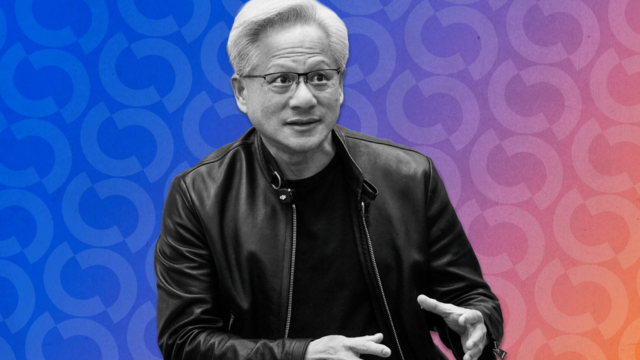
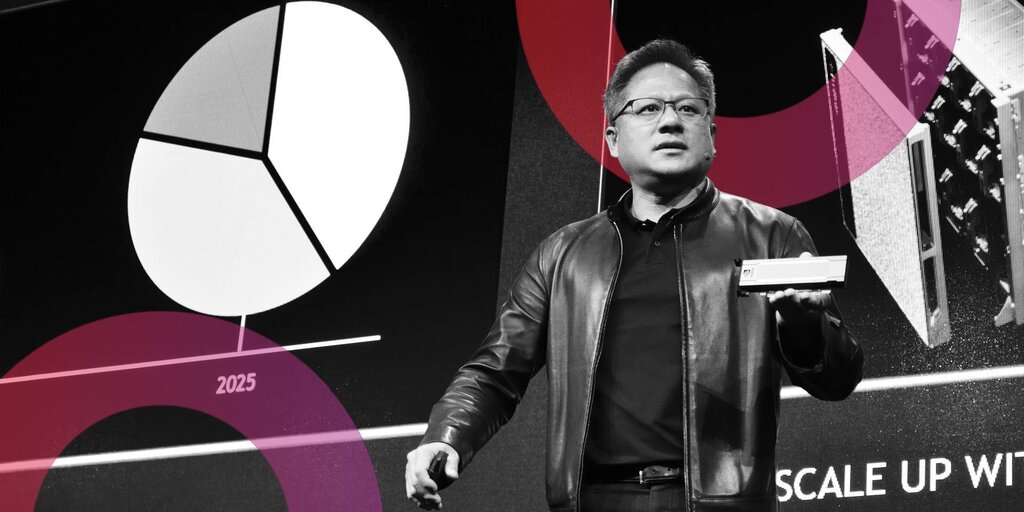
Cointime reports: When Jensen Huang stepped away from public view for 11 days, Nvidia’s stock didn’t just hold steady—it kept climbing, powered by the AI infrastructure boom that Huang himself helped architect. But his return this week served as a reminder that Nvidia’s valuation rests on more than silicon. It rests on a founder-CEO whose personal relationships with customers, policymakers, and Silicon Valley elites have become a strategic moat.
During his absence, reports surfaced that Nvidia’s order book and supply chain remained robust, yet the stock’s momentum was increasingly tied to broader market sentiment around AI spending. Huang’s reappearance—marked by a flurry of meetings and public appearances—underscored how much of Nvidia’s narrative is intertwined with his personal brand. Investors treat his visibility as a proxy for the company’s forward momentum.
The Customer Connection: Huang as Nvidia’s Chief Evangelist
Huang’s influence extends far beyond the boardroom. His direct ties to hyperscalers like Microsoft, Amazon, and Google—and to emerging AI players—have allowed Nvidia to secure preferential supply agreements and co-design future chips. In an industry where allocation of GPUs can make or break a startup, Huang’s personal attention is a currency of its own.
His absence also exposed a governance question: what happens when a company’s strategy is so closely tied to one individual? Nvidia has built a deep bench, but the market’s reaction suggests that the ‘Huang premium’ is real. His return may have calmed nerves, but it also highlighted the concentration risk inherent in founder-led firms.
Washington and the Valley: The Diplomatic Dimension
Beyond customers, Huang has become an unofficial diplomat for the semiconductor industry. With export controls tightening and AI regulation looming, his ability to navigate Washington has been critical. His recent meetings with lawmakers and officials likely focused on the balance between national security and commercial interests—a tightrope Nvidia must walk as it sells to China while adhering to U.S. rules.
In Silicon Valley, Huang’s return also signals that Nvidia is not ceding ground to rivals like AMD or custom chip efforts from cloud providers. His presence at key industry events and private gatherings reinforces Nvidia’s central role in the AI ecosystem, a position that competitors are eager to challenge.
The Risks of the Comeback
Yet the comeback carries its own risks. A CEO who is too visible can become a single point of failure—both in perception and in reality. Nvidia’s stock is already priced for perfection, and any misstep by Huang could trigger outsized volatility. Moreover, his deep involvement in customer relationships may raise concerns about key-person dependency among institutional investors.
As Nvidia navigates the next phase of AI growth, the balance between leveraging Huang’s star power and building institutional resilience will be closely watched. For now, the market has voted: Huang’s return is a net positive. But the episode serves as a case study in the outsized influence of founder-CEOs in the tech sector—and the risks that come with it.
Forward Look
Looking ahead, Nvidia’s ability to diversify its leadership and institutionalize customer relationships will determine whether it can sustain its premium valuation. Huang’s return may have bought time, but the underlying question remains: can Nvidia thrive without him? The answer will shape not only the company’s future but also the broader AI investment landscape.