Consumer RWA Moves Beyond Finance
Real-world asset (RWA) tokenization is expanding beyond bonds and real estate into consumer goods. A new analysis examines how vintage liquor, spring tea, and ginseng can be tokenized, linking physical commodities to digital claims. The key challenge: ensuring that the digital token accurately represents the underlying good’s provenance, batch, storage, and testing data.
The Evidence Chain
For consumer RWA, the token is only as good as the evidence behind it. Each category demands different verification focuses. Vintage liquor requires proof of age and authenticity, often through sealed bottles and expert appraisal. Spring tea needs harvest timing and origin verification, while ginseng demands age and species authentication. The analysis emphasizes that linking these physical attributes to a digital claim—such as a redemption right—enables holders to verify product information and exchange conditions when holding, gifting, or trading according to rules.
Transfer and Delivery
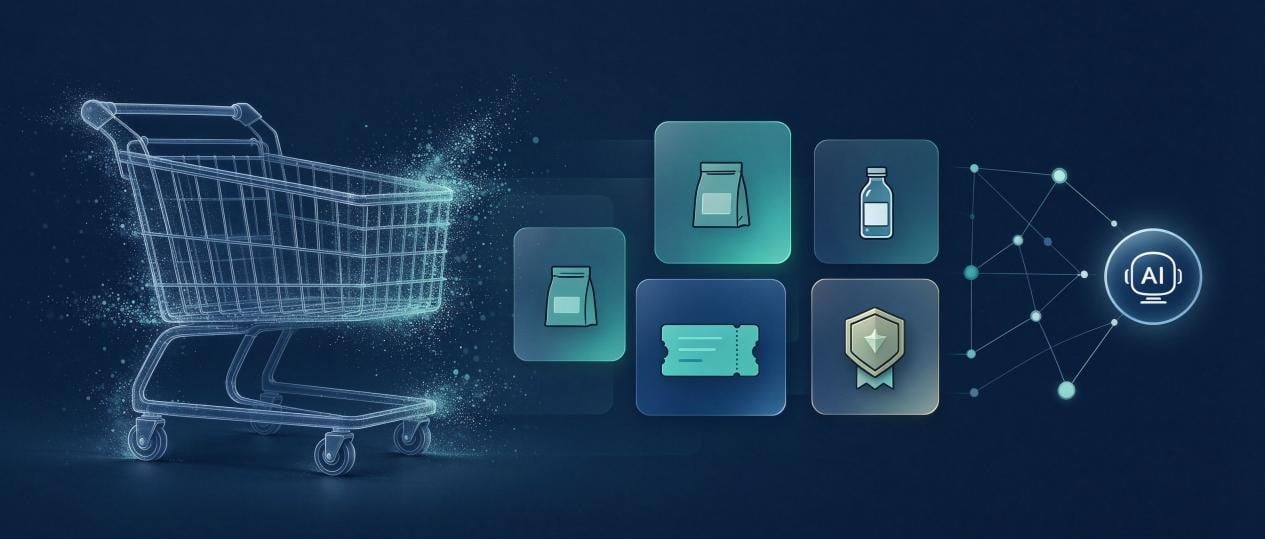
The flow of credentials, data updates, and actual delivery must be seamlessly connected. When a token changes hands, the associated evidence should travel with it. This raises questions about data freshness and custody responsibilities. The analysis stresses that tokenization’s value lies in enabling rights and information to circulate together, but credibility depends on accurate evidence and clear fulfillment responsibilities.
Industry Implications
This model could revolutionize consumer goods trading by increasing liquidity and transparency. However, it also introduces complexities in standardizing evidence across categories and ensuring that digital claims are honored in the physical world. Projects must establish robust verification protocols and legal frameworks to handle disputes.
Forward Look
As consumer RWA gains traction, expect to see more specialized platforms for different commodity classes, each with tailored evidence standards. Success will hinge on building trust through transparent, verifiable data and enforceable delivery commitments. This could open new markets for fractional ownership and trading of high-value consumer goods.