Market Turmoil: A Two-Day Rollercoaster
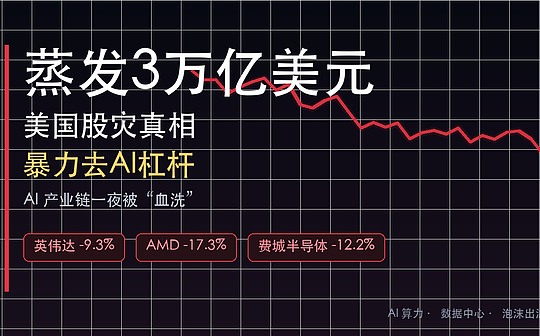
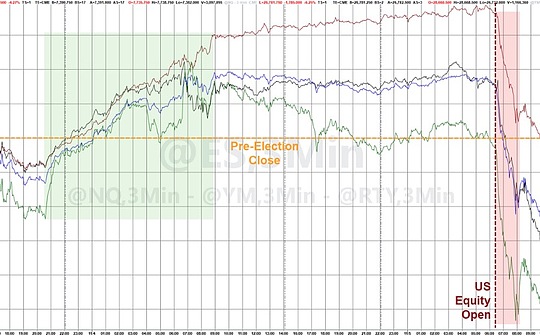
The US stock market experienced a dramatic two-day swing, with the S&P 500 suffering its worst single-day selloff in 19 months on November 5, only to rebound sharply the next day, led by chip stocks. The Nasdaq Composite climbed 1.1% on November 6, recovering some of the previous day’s losses.
Nomura estimates that leveraged ETFs offloaded approximately $47 billion in assets during the turmoil. Meanwhile, hedge funds had already been reducing leverage ahead of the selloff, with October data showing a decline in gross leverage. The swift rotation into US Treasuries and the dollar suggests that short-term selling pressure has been released, but underlying macroeconomic imbalances remain unresolved.
Deleveraging: A Temporary Reprieve?
The recent volatility highlights the market’s sensitivity to leverage. Leveraged ETFs, which use derivatives to amplify returns, were forced to sell assets to maintain their target ratios as stocks fell. This mechanical selling exacerbated the downturn. Nomura’s estimate of $47 billion in sales underscores the scale of the unwind.
Hedge funds, meanwhile, had been proactively deleveraging throughout October. This preemptive move may have softened the blow, but it also raises questions about whether the deleveraging is complete. If hedge funds have already reduced exposure, the market could be less vulnerable to further shocks. However, if the unwind is only partially done, more selling could be on the horizon.
The flight to quality was evident in the bond market, with yields on US Treasuries falling as investors sought safety. The dollar also strengthened, reflecting demand for liquid assets. These moves are typical during periods of market stress and suggest that investors are prioritizing capital preservation over risk-taking.
Long-Term Risks Remain Unaddressed
While the immediate selling pressure may have eased, the structural issues that triggered the volatility are far from resolved. Elevated valuations, especially in the tech sector, remain a concern. The Federal Reserve’s monetary policy stance, with interest rates likely to stay higher for longer, continues to pose a risk to equity markets. Additionally, geopolitical tensions and trade uncertainties add to the mix.
For crypto markets, the correlation with traditional equities has been a topic of debate. In recent months, crypto assets have shown sensitivity to macro events, and the recent stock market turmoil could spill over into digital assets. However, the deleveraging in traditional markets may also have a silver lining: if leverage is reduced, it could lead to a more stable environment for risk assets, including cryptocurrencies.
Forward-Looking Perspective
Investors should watch for signs of further deleveraging and any shifts in Fed policy. The rebound on November 6 may be a relief, but it does not signal the end of volatility. With leverage still elevated in some segments, and macroeconomic uncertainties persisting, markets could remain choppy. For crypto participants, the key is to monitor traditional market liquidity and risk appetite, as these factors increasingly influence digital asset prices.