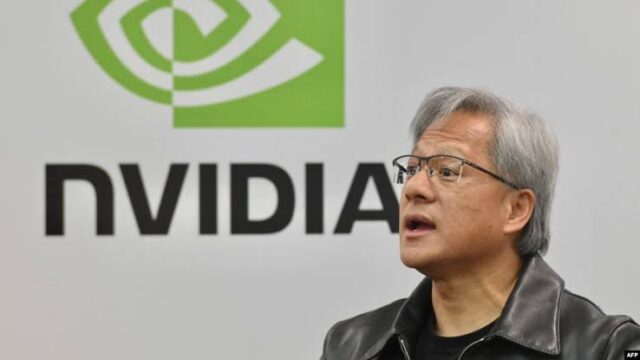
Jensen Huang’s Shock Return: Former NVIDIA CEO Builds War Room to Challenge Board
Just three days after his surprise resignation, Jensen Huang is reportedly assembling a coalition of Silicon Valley executives to pressure NVIDIA’s board and seek White House support. A petition demanding his reinstatement has gathered 157,000 signatures, while NVIDIA’s market cap has plunged by over $570 billion in a single week. Huang still holds approximately 812 million shares, valued at $132 billion.
The Unprecedented Move
Huang’s departure stunned the tech world, and his swift counteroffensive is equally unprecedented. By forming a “war room” with influential allies, he aims to force the board’s hand—a move that blurs the lines between corporate governance and political maneuvering. The involvement of White House support suggests the battle over NVIDIA’s future is no longer confined to the boardroom.
Market Tremors and Investor Anxiety
The $570 billion market cap erosion reflects deep investor unease. NVIDIA is not just a semiconductor giant; it is the backbone of the AI revolution. Huang’s vision has been synonymous with the company’s success, and his potential ouster threatens to derail long-term strategic initiatives. The petition’s rapid growth underscores public sentiment: many see Huang as irreplaceable.
Implications for the AI and Crypto Nexus
NVIDIA’s GPUs are the lifeblood of AI development, including decentralized compute networks and on-chain AI agents. A leadership crisis could ripple through the crypto AI sector, where NVIDIA’s hardware underpins everything from model training to inference. Uncertainty at the top may slow innovation and partnerships, especially as decentralized GPU networks compete for scarce resources.
What’s Next?
The coming weeks will be critical. If Huang succeeds in his campaign, he could return with even greater influence. If not, NVIDIA faces a turbulent transition that could reshape the AI landscape. For crypto investors, the drama is a reminder of how traditional tech giants still hold sway over the decentralized future.