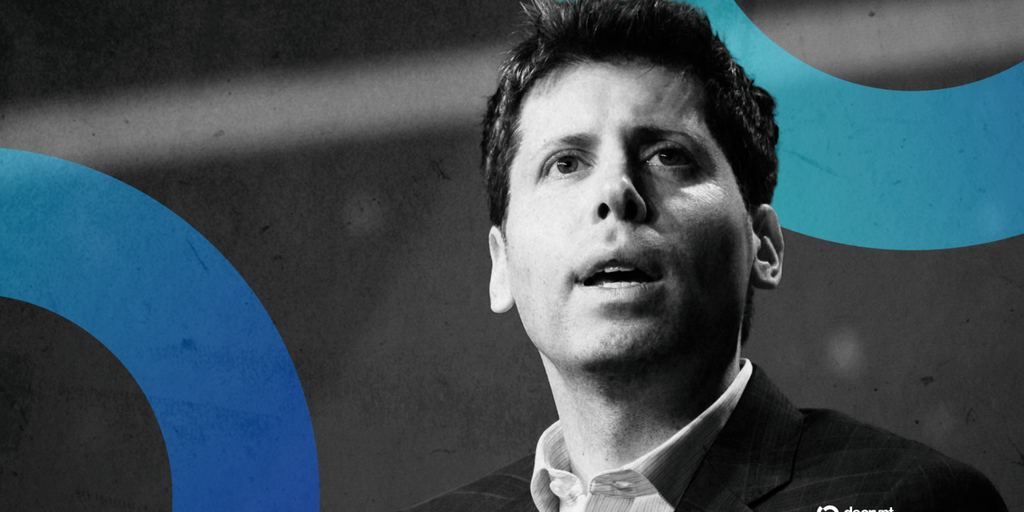
Sam Altman’s RAM Remarks Spark Debate on AI’s Insatiable Memory Needs
Cointime reports: OpenAI CEO Sam Altman briefly changed his display name on X to “Ram Altman” after Elon Musk mocked him for comments about idle home PC memory being “quite terrible.” Altman later expressed frustration that his remarks were taken out of context, calling the situation “fucking annoying.” The exchange highlights growing scrutiny over the computing infrastructure required for artificial intelligence and the role of consumer hardware in meeting those demands.
The Context: Memory Demands of AI
Altman’s original point was likely about the inefficiency of underutilized RAM in personal computers, especially as AI workloads increasingly require large memory capacities. Modern AI models, particularly large language models, demand substantial memory for training and inference. While data center GPUs dominate headlines, the conversation around edge AI and decentralized compute is gaining traction. Projects that aggregate idle compute resources—including memory and storage—are emerging as potential solutions to bottlenecks in AI development.
Industry Implications: Decentralized Compute and Crypto
The spat between two tech billionaires may seem trivial, but it underscores a critical issue: the world’s compute infrastructure is not optimized for AI. This is where blockchain-based decentralized compute networks come into play. These platforms aim to harness underutilized hardware, from home PCs to enterprise servers, to provide affordable and scalable compute power for AI tasks. By tokenizing compute resources, they create markets that could alleviate pressure on centralized cloud providers and reduce costs for developers.
Several crypto projects are already experimenting with decentralized GPU and memory sharing. While still nascent, these efforts align with the broader trend of AI-crypto convergence. Altman’s comments, even if misconstrued, bring attention to the fact that consumer-grade hardware often sits idle, representing a vast untapped resource. As AI models grow larger and more complex, the need for distributed compute solutions will only intensify.
Forward-Looking Perspective
Altman’s frustration may fade, but the underlying challenge remains: how to efficiently allocate memory and compute for AI. The incident could accelerate discussions around decentralized physical infrastructure networks (DePIN) and tokenized compute. If projects can demonstrate reliability and security, they might become integral to the AI supply chain. However, regulatory and technical hurdles persist, including data privacy and verification of compute integrity. For now, the spotlight on RAM serves as a reminder that the AI revolution is not just about algorithms—it’s also about the hardware that powers them.