Polygon Faces Hard Fork Proposal to Seize Hacker’s $6.7M
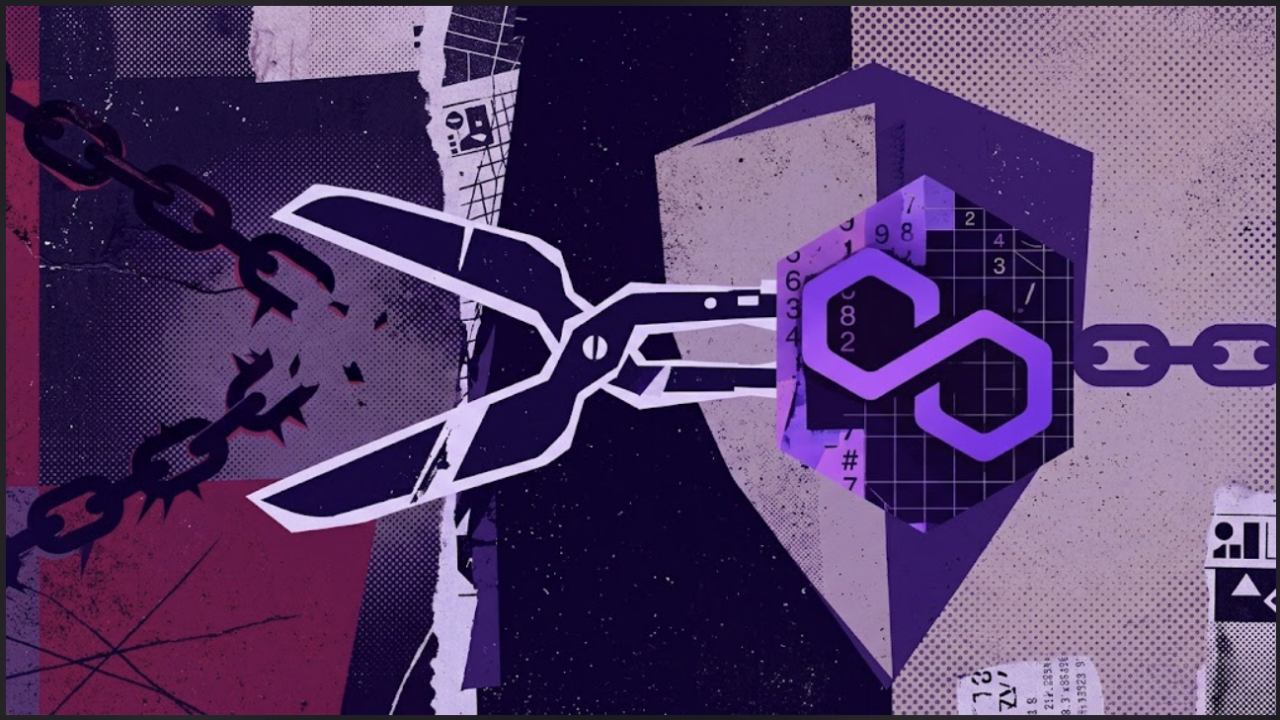
Polymarket and Binance have proposed a hard fork of the Polygon network to zero out approximately 70.49 million POL tokens (worth about $6.7 million) held in a hacker’s address and transfer them to a designated recovery address. The proposal is set for a defense hearing on November 5 at 22:30 UTC during the Polygon Protocol Governance Call (PPGC). The move would mark a significant escalation in the ongoing debate over how to handle stolen funds on decentralized networks.
The Mechanics: Freeze vs. Keyless Transfer
The proposal raises a critical distinction between freezing assets and executing a keyless transfer. A freeze would simply render the funds immovable, while a keyless transfer would actively move the tokens without requiring the private key—a first for a major Layer 2 network. This approach, if executed, would set a precedent for using hard forks as a tool for asset recovery, potentially undermining the credibility of Polygon’s decentralization claims.
Industry Implications
The crypto community is divided. Supporters argue that recovering stolen funds protects users and deters future attacks. Critics warn that altering the blockchain state to seize assets—even from a hacker—establishes a dangerous precedent. It blurs the line between decentralized governance and centralized intervention, and could erode trust in Polygon’s immutability.
Moreover, the involvement of Polymarket and Binance, two major industry players, highlights the growing pressure on networks to address security breaches. However, it also raises questions about who has the authority to initiate such changes and under what conditions.
Forward-Looking Perspective
If approved, this hard fork could become a blueprint for future recovery efforts across other chains. But it may also trigger regulatory scrutiny and push users toward networks that prioritize immutability. The outcome of the November 5 hearing will be closely watched as a test case for decentralized governance in crisis management.
As the industry matures, balancing user protection with the core principles of decentralization remains a fundamental challenge. Polygon’s decision will likely influence how other networks handle similar dilemmas in the future.