From Backpack to Binance BPay: Crypto Exchanges Are Redefining Payment Boundaries
Cryptocurrencies can move across borders in minutes, but when users want to withdraw funds to a bank account, the money must still flow back into the traditional financial system. Who controls this final gateway is emerging as a new battleground between crypto exchanges and financial institutions.
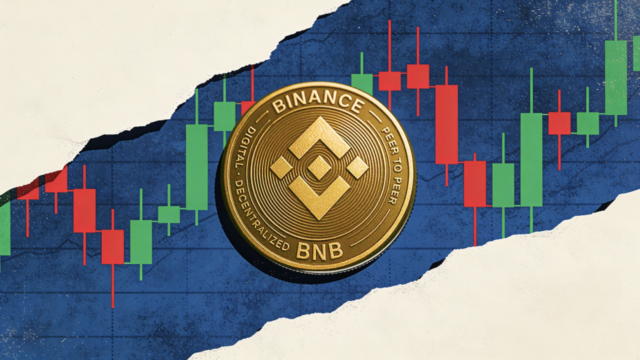
Recent moves by major exchanges illustrate this shift. Backpack, a crypto exchange founded by former FTX and Alameda Research executives, has launched a payments-focused product that allows users to spend crypto directly at merchants. Meanwhile, Binance, the world’s largest crypto exchange, is reportedly developing a payment service called BPay that would enable users to make purchases with crypto assets, potentially bridging the gap between crypto holdings and everyday spending.
The Last Mile Problem
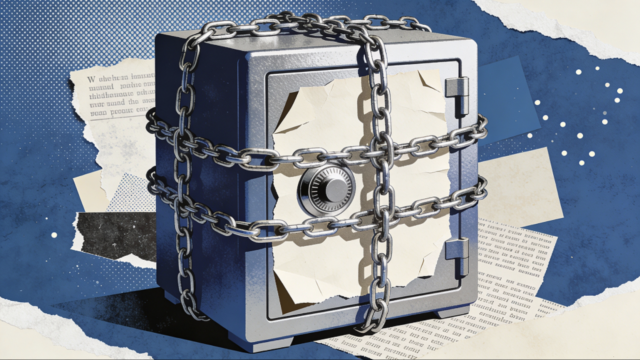
The core challenge is what industry insiders call the “last mile” problem: crypto’s promise of seamless global value transfer often ends at the doorstep of traditional banking. Converting crypto to fiat and withdrawing to a bank account can take days, incur fees, and require extensive KYC checks. Exchanges that can streamline this process—or bypass it entirely by offering direct payment solutions—stand to capture significant value.
Backpack’s approach focuses on building a user-friendly interface that integrates wallet and exchange functions, allowing users to hold and spend crypto without leaving the platform. Binance’s BPay, though details remain scarce, appears aimed at creating a payment rail that leverages Binance’s massive user base and liquidity to facilitate merchant transactions.
Competition with Traditional Finance
These initiatives put exchanges in direct competition with banks and payment processors like Visa and Mastercard. By offering crypto-backed payment cards or direct merchant integrations, exchanges can keep users within their ecosystems, reducing reliance on traditional banking rails. This not only generates fee revenue but also deepens user engagement and loyalty.
However, regulatory hurdles remain significant. Payment services are heavily regulated, and exchanges must navigate money transmission licenses, anti-money laundering (AML) requirements, and consumer protection laws across multiple jurisdictions. The success of these ventures will depend on their ability to comply with local regulations while maintaining the speed and low costs that crypto users expect.
Forward-Looking Perspective
The convergence of crypto exchanges and payment services is likely to accelerate. As stablecoins gain regulatory clarity and adoption, exchanges may increasingly issue their own stablecoins or partner with issuers to facilitate payments. This could lead to a new era where crypto exchanges function as full-fledged financial platforms, offering banking-like services without the traditional banking infrastructure.
For now, the battle for the last mile is just beginning. Exchanges that can successfully bridge the gap between crypto and traditional finance will be well-positioned to capture the next wave of mainstream adoption.