Regional Bloc Takes Step Toward Coordinated Crypto Oversight
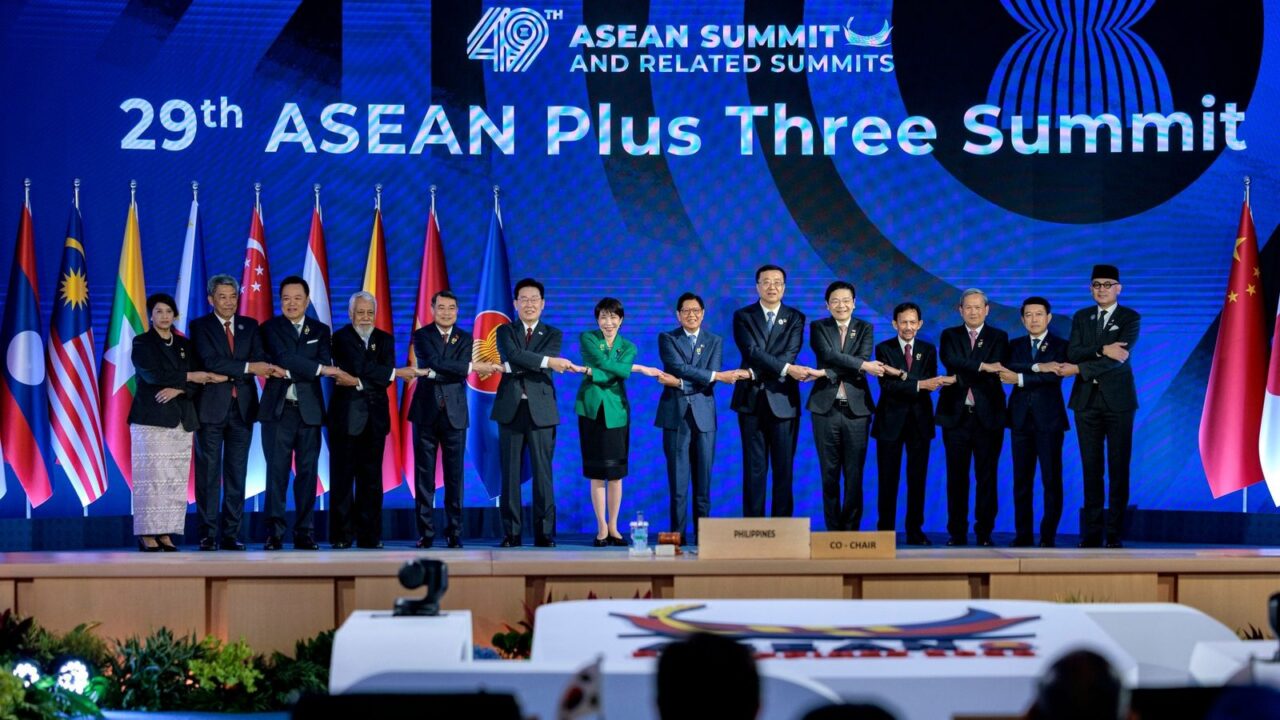
Cointime reports: China, Japan, South Korea, and ASEAN member states have agreed to establish a working group focused on cross-border digital payments and cryptocurrency regulation. The decision follows a meeting in Uzbekistan in May where the group identified digital payments as a new area of cooperation.
What the Working Group Means for Crypto
The formation of a working group signals a shift from unilateral national approaches to regional coordination on digital asset oversight. While details on the working group’s mandate and timeline remain scarce, its scope likely covers regulatory harmonization, cross-border payment standards, and information sharing on crypto-related risks.
For the crypto industry, this could mean:
- Greater regulatory clarity across key Asian markets, reducing compliance complexity for exchanges and payment providers operating regionally.
- Enhanced cross-border payment infrastructure leveraging blockchain technology, potentially boosting stablecoin adoption for remittances and trade settlements.
- Coordinated enforcement against illicit crypto activities, which may increase pressure on unlicensed platforms.
Divergent Starting Points
The participating jurisdictions have markedly different crypto stances. Japan has a mature licensing regime, South Korea has tightened investor protections, while China maintains a broad ban on crypto trading and mining but actively promotes blockchain for payments. ASEAN members range from crypto-friendly (Singapore) to restrictive. Bridging these differences will be a key challenge.
Forward Look
If the working group delivers concrete standards, it could set a precedent for other regions and accelerate institutional adoption of digital payments in Asia. However, without binding commitments, its immediate impact may be limited to dialogue and best-practice sharing. Market participants should watch for any harmonized licensing framework or cross-border payment pilot emerging from the group.