Ethereum’s usability improves while ETH economics deteriorate
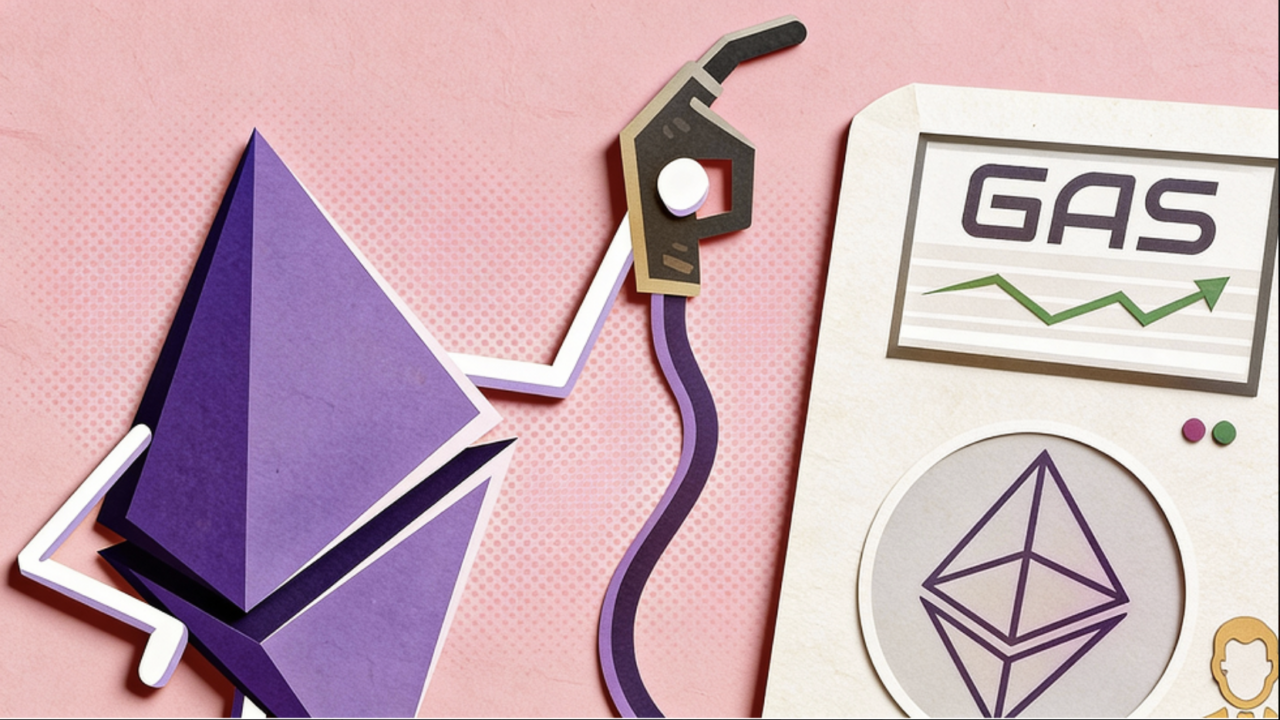
Ethereum’s core network is becoming more efficient, but the economic picture for ETH holders is worsening. BitMine, a major corporate holder, is sitting on over $4 billion in unrealized losses and has prioritized share buybacks over further ETH purchases. Spot Ethereum ETFs saw net outflows exceeding $1.2 billion in October, while 1.37 million ETH are queued for staking. Mainnet fees have plummeted, and ENS has abandoned its dedicated Layer 2 plans. Yet ETH has flipped to daily net issuance because the base fee has fallen to just 0.06 Gwei. The Glamsterdam upgrade has been delayed due to audit risks, and the transmission chain from usability to value has broken.
The disconnect between utility and value
Ethereum’s improvement in usability is undeniable. Lower fees make the network more accessible for users and developers, and the decision by ENS to forgo a dedicated L2 reflects confidence in the base layer’s scalability. However, this very success has undermined ETH’s scarcity. With base fees at 0.06 Gwei, the burn mechanism is negligible, and ETH is now inflationary on a daily basis. The staking queue of 1.37 million ETH shows strong demand for yield, but it also locks up supply without necessarily supporting price. Meanwhile, institutional demand appears to be waning: BitMine’s shift to buybacks and ETF outflows suggest that large holders are reassessing their exposure.
Implications for the ecosystem
The delay of the Glamsterdam upgrade, which was expected to bring further efficiency gains, adds to the uncertainty. Audit risks have pushed back its implementation, leaving the network without a clear catalyst for improving ETH’s value accrual. The broken transmission chain—from better usability to higher token value—is a structural issue that Ethereum’s roadmap must address. If ETH cannot capture the value created by its own success, the incentive for holding and staking may weaken over time.
Forward-looking perspective
Ethereum’s long-term health depends on restoring the link between network usage and ETH value. Solutions may include adjusting the fee mechanism, accelerating the roadmap, or finding new demand drivers such as restaking or RWA tokenization. For now, holders are caught between a rock and a hard place: the network is improving, but the token isn’t. The coming months will test whether Ethereum’s governance can adapt to this paradox and deliver a credible path to value accretion.