PBOC Targets Solana Over Shanghai Ad Campaign
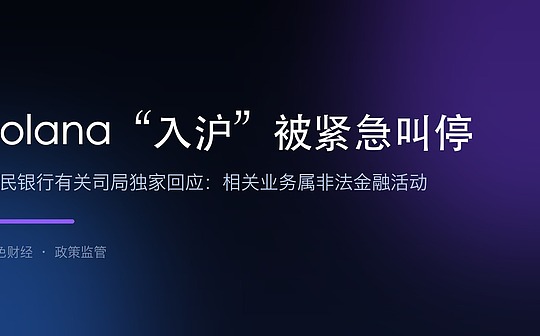
Cointime reports: China’s central bank has publicly named Solana for violating domestic cryptocurrency rules, marking a significant escalation in enforcement against blockchain projects that maintain a presence in the country. The People’s Bank of China (PBOC) said Solana’s onshore entities placed large-screen advertisements in Shanghai’s Lujiazui financial district and organized offline events, constituting illegal marketing of virtual currency services. Authorities have halted the events and launched investigations into the involved entities and individuals.
The move follows a February notice that classified virtual currency-related business activities as illegal financial activities. The PBOC stated that Solana’s native token qualifies as virtual currency and that the network provides technical services for the issuance and trading of stablecoins like USDT, bringing its operations under the scope of the ban.
Technical Neutrality No Longer a Shield
For years, blockchain projects have operated under a cross-border division of labor: entities registered overseas, fundraising abroad, but engineering and product teams based in China. Public chain events—hackathons, developer workshops, and technical meetups—were often held openly, with organizers carefully avoiding price talk and investment advice to maintain a veneer of technical neutrality.
The PBOC’s response shatters that assumption. Even if an event’s agenda focuses solely on development tools and applications, regulators now view brand promotion as indirectly supporting virtual currency business. The distinction between technical exchange and marketing has effectively collapsed. Other public chains planning similar events in China will need to reassess their strategies.
Implications for Domestic Teams
The investigation extends beyond Solana itself to the local units and individuals who executed the campaign. For distributed teams, this raises uncomfortable questions: community managers, business development staff, and event organizers who handle logistics, marketing, and participant recruitment for overseas projects could face scrutiny. The February notice explicitly holds domestic entities and individuals liable if they knowingly assist overseas platforms in providing illegal virtual currency services within China.
Even if salaries are paid by offshore entities, onshore promotional activities may still be subject to investigation. The exact liability will depend on individual involvement and knowledge, but the message is clear: the era of treating technical community building as a regulatory gray area is over.
Forward Outlook
The PBOC indicated it will continue targeting onshore affiliates of overseas virtual currency exchanges and issuers. For Chinese Web3 professionals, the balancing act between global project participation and domestic legal exposure has become more precarious. Projects with upcoming brand roadshows or ecosystem events in China are advised to pause and seek legal counsel. The regulatory perimeter is tightening, and technical neutrality alone may no longer suffice as a defense.