Hong Kong SFC Flags Hyperliquid as Unlicensed Trading Platform
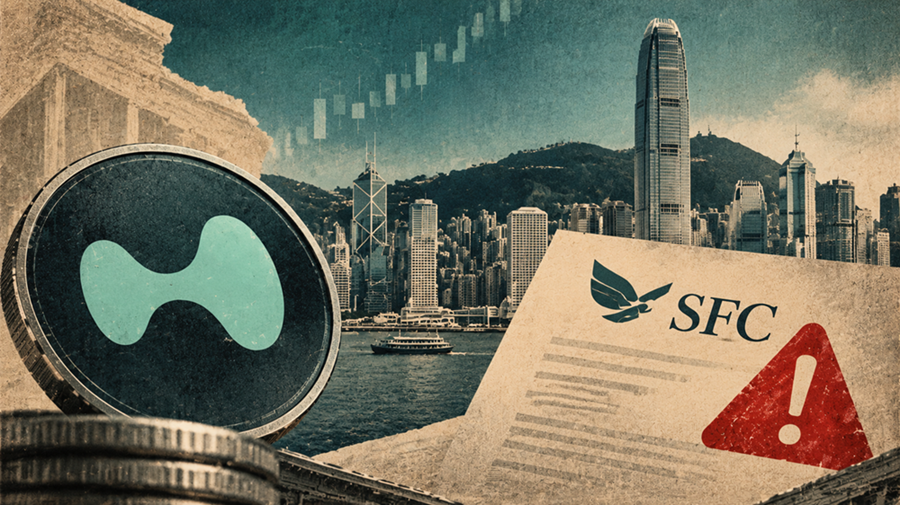
On November 18, Hong Kong’s Securities and Futures Commission (SFC) added “Hyperliquid / Hyperliquid Hong Kong” to its suspicious virtual asset trading platform list, citing unlicensed activity and possible active promotion to the Hong Kong public. The warning did not disclose specific triggering conduct, nor did it link the listing to local community events.
Promotion Without a Marketing Team
Hyperliquid Labs founder Jeff Yan has said the team had no dedicated marketing staff. The protocol’s public referral program allows users to generate invite codes and earn rebates. A Hong Kong enthusiast group has also hosted offline meetups. Under SFC rules, promotion can be conducted by third parties acting on behalf of a service provider, so the absence of an in-house marketing team does not preclude regulatory scrutiny. The key questions are whether promotion targeted the Hong Kong public, whether third parties acted for the platform, and whether the services fall within licensing requirements.
Distinguishing Evidence from Prior Cases
Past SFC warnings have cited specific claims of local operations, KOL promotions, product details, or fraud allegations. The Hyperliquid notice alleges unlicensed activity but does not claim fraud or announce website access restrictions. CoinUnited.io, for example, was explicitly cited for claiming a Hong Kong flagship store and local hiring; JPEX was linked to social media influencers and over-the-counter shops. The Hyperliquid entry does not name any KOL or event, so its implications should not be equated with those cases.
Implications for Hong Kong Users
The most direct change is the public warning on the trading portal. Users should watch for any SFC follow-up on specific services or promotion channels, and for adjustments by Hyperliquid’s web interface or third-party wallets to Hong Kong access. Existing regional restrictions, such as those already applied by some wallets to perpetual contracts, predate this warning and should be treated separately.
Forward-Looking
Whether the listing stems from referral activity, community events, or other operational links remains undisclosed. The case underscores that decentralized protocols with community-driven promotion can still face licensing scrutiny when their services reach Hong Kong investors.