Democrats Take Full Control of Congress in 2026 Midterms
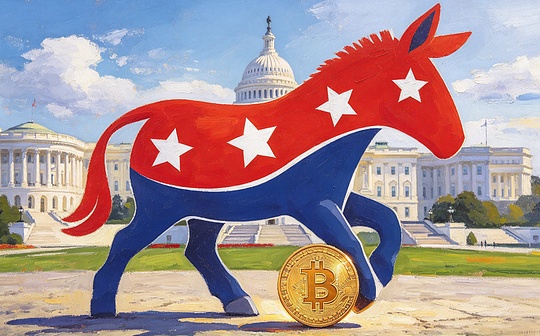
The 2026 U.S. midterm elections have delivered a seismic shift in Washington, with Democrats flipping key Senate seats in North Carolina and South Carolina and securing control of both the House and Senate. This ends Republican dominance of Congress and introduces significant uncertainty for the cryptocurrency industry, which had hoped for regulatory clarity under the Trump administration.
Implications for Crypto Regulation
The Democratic sweep signals a potential pivot from legislative momentum on crypto-friendly bills to a period of partisan negotiation and heightened congressional oversight. The CLARITY Act, a bill aimed at clarifying the classification of digital assets and reducing regulatory ambiguity, had previously stalled in the Senate due to procedural hurdles. With Democrats now in control, the bill’s future is uncertain. Key Democratic lawmakers have expressed concerns over consumer protection and systemic risk, suggesting that any crypto legislation will face tougher scrutiny and may require compromises.
Industry analysts note that the shift could lead to a more fragmented regulatory landscape, with increased emphasis on enforcement actions by agencies like the SEC and CFTC. The Democratic agenda may prioritize stricter disclosure requirements, anti-money laundering measures, and environmental standards for mining operations.
Market Reaction and Bitcoin Volatility
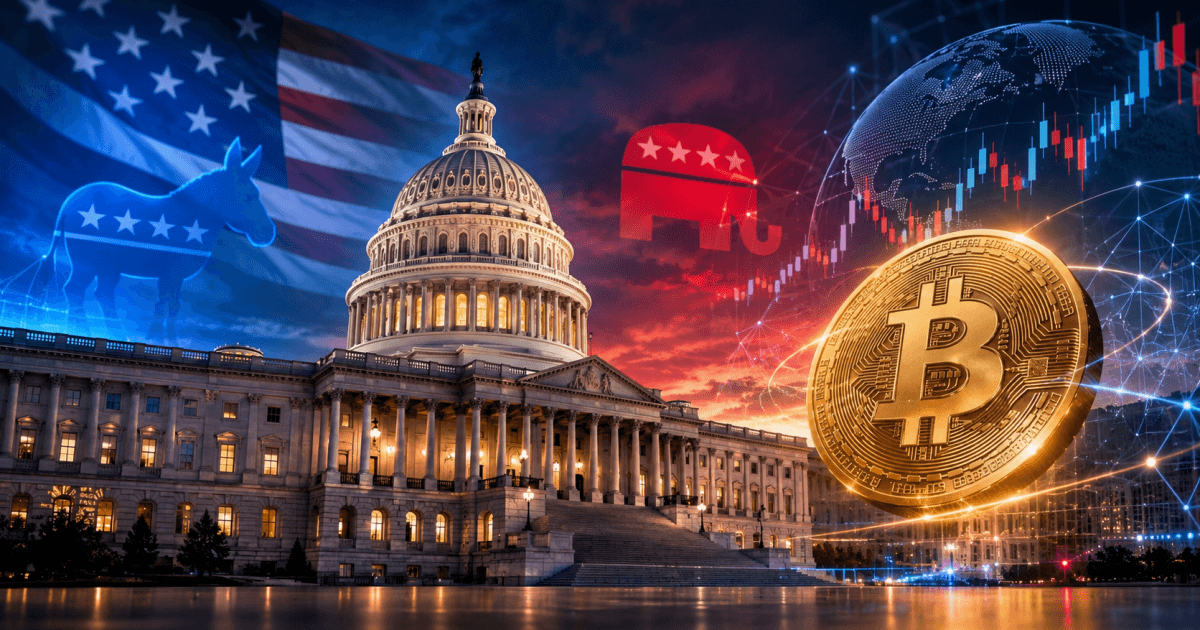
Bitcoin experienced immediate volatility following the election results, reflecting investor uncertainty over the regulatory outlook. While some market participants fear a slowdown in crypto-friendly legislation, others see opportunities for more robust and sustainable regulation that could enhance institutional adoption in the long run.
Forward-Looking Perspective
Looking ahead, the crypto industry must adapt to a new political reality. Engagement with Democratic policymakers will be crucial to shaping balanced regulation. The focus will shift to building bipartisan support for key issues such as stablecoin oversight and market structure. While the path to regulatory clarity may be longer, the outcome could be a more resilient framework that balances innovation with investor protection.