When Market Miracles Meet Margin Calls
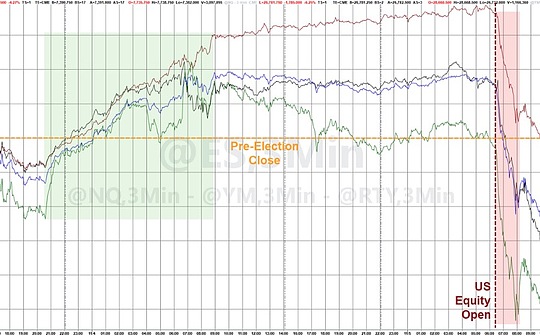
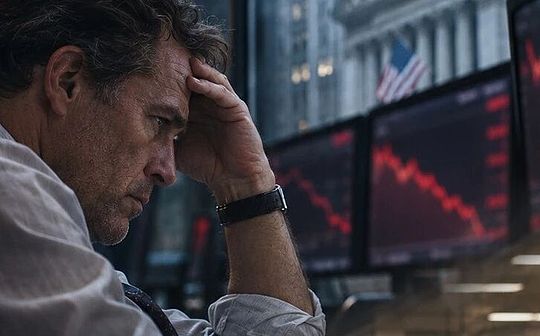
Cointime reports: On November 5, 2026, a sharp selloff in US tech stocks erased billions in market value. The Nasdaq fell 5.52% in a single session, while the Philadelphia Semiconductor Index plunged 12.2%. Dell, Micron, and other AI-linked names suffered double-digit declines. The carnage marked a dramatic reversal for a cohort of investors who had been celebrated as ‘stock gods’ during the AI boom—and exposed how quickly fortune can turn when leverage, hype, and concentrated bets collide.
The Rise and Fall of Leopold Aschenbrenner
Perhaps no story is more emblematic than that of Leopold Aschenbrenner, the 25-year-old former OpenAI researcher who turned a viral essay on artificial general intelligence into a multi-billion-dollar hedge fund. His firm, Situational Awareness, bet heavily on AI infrastructure—semiconductors, energy, and data centers—using roughly 4x leverage. Returns exceeded 2,000% at its peak, and assets swelled to $45 billion by July 2026. But when AI stocks tumbled that month, the fund faced margin calls and was forced to liquidate over $16 billion in holdings to Citadel at a steep discount. Just days later, the same stocks rebounded sharply, leaving Aschenbrenner’s fund collapsed and his reputation in tatters.
The ‘White-Haired’ Analyst and the Illusion of Precision
Another celebrated figure, known pseudonymously as Serenity, gained a following by mapping AI supply chain ‘bottlenecks’—from optical components to memory chips. His self-reported returns of over 3,600% in 2026 attracted legions of retail admirers. Yet his lack of audited track records and the subsequent drawdown raised questions about whether his success was skill or simply riding a sector-wide wave.
Political Power and Stock Picks
President Trump’s stock commentary moved markets repeatedly: his praise for Dell, Micron, Intel, and IBM sent shares higher, blurring the lines between policy influence and investment advice. But on November 5, those same stocks fell sharply, underscoring that political endorsement cannot override market fundamentals.
From ByteDance to Blow-Up
Leto Bao, a former ByteDance engineer, became an internet sensation after reportedly turning 30 million yuan into financial freedom through savvy trades in Seagate and SK Hynix. His focus on everyday data and supply chain research resonated with retail investors. However, reports of a catastrophic loss in SK Hynix—allegedly wiping out his capital and leaving him in debt—highlight the risks of concentrated, leveraged bets.
What This Means for the AI Trade
The downfall of these four ‘stock gods’ is not just a collection of cautionary tales; it signals a broader shift in market psychology. As AI enthusiasm cools, investors are beginning to differentiate between genuine earnings growth and speculative excess. The use of leverage, the concentration in a handful of AI names, and the reliance on social media hype have amplified both gains and losses. Regulators and market participants may now scrutinize the role of influencers and political figures in driving retail flows.
Looking ahead, the AI investment theme is likely to mature. Capital will likely rotate toward companies with tangible cash flows and sustainable competitive advantages, rather than those merely benefiting from supply chain bottlenecks. The episodes also underscore the importance of risk management and transparency—lessons that the next generation of ‘stock gods’ would do well to heed.