US Crypto Regulation at a Crossroads: Key Lawmakers and Policy Battles After Midterms
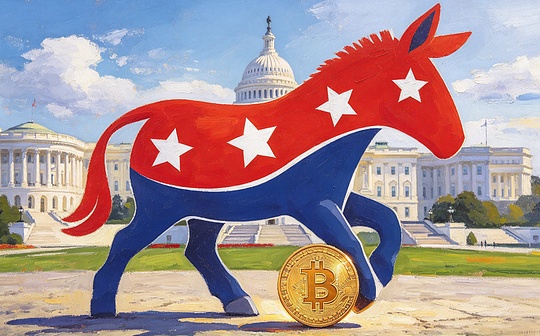
The new Congress is set to reshape the US crypto policy landscape, with several key lawmakers poised to influence the direction of digital asset regulation. As the midterm elections shift the balance of power, the industry faces a critical juncture that could determine the future of crypto oversight.
Key Lawmakers to Watch
Senator Cynthia Lummis, a long-time crypto advocate, is expected to push for clearer regulatory frameworks, while Representative Patrick McHenry, the outgoing Chair of the House Financial Services Committee, has been a staunch supporter of crypto-friendly legislation. However, the retirement of some crypto-savvy lawmakers and the arrival of new faces could alter the dynamics. Senator Sherrod Brown, who has been critical of crypto, may see his influence wane or persist depending on the Senate’s composition.
Policy Battles Ahead
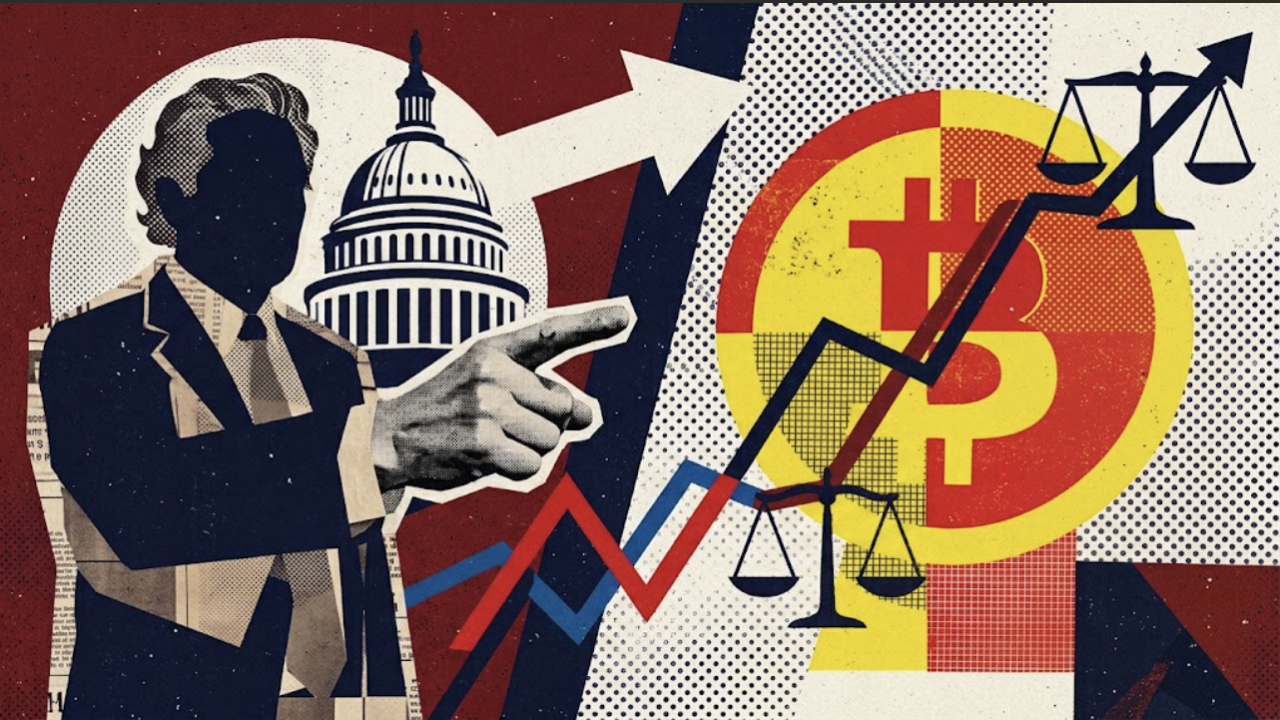
The debate over whether crypto should be classified as securities or commodities remains unresolved. The SEC under Gary Gensler has taken an aggressive enforcement stance, but the new Congress could push for legislative clarity. Stablecoin regulation, tax reporting requirements, and anti-money laundering rules are also on the agenda. The outcome of these battles will significantly impact market structure and innovation.
Industry Implications
A more crypto-friendly Congress could lead to the passage of comprehensive legislation, providing much-needed certainty for businesses and investors. Conversely, a divided Congress might result in continued regulatory ambiguity, stifling growth and driving innovation offshore. The industry is watching closely, with lobbying efforts intensifying to shape the narrative.
Forward-Looking Perspective
As the new Congress convenes, the crypto industry must navigate a complex political landscape. The balance between consumer protection and fostering innovation will be key. Stakeholders should engage with lawmakers to advocate for sensible regulation that supports the growth of digital assets while mitigating risks. The coming months will be crucial in determining whether the US remains a leader in the global crypto economy or cedes ground to other jurisdictions with clearer rules.