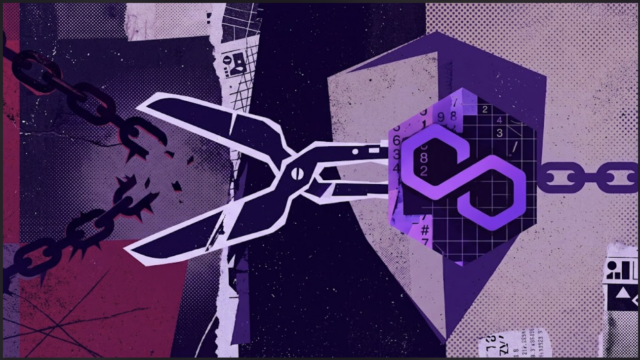
Polygon Weighs Unprecedented Hard Fork to Recover Stolen POL
Cointime reports: A new Polygon improvement proposal (PIP) has surfaced on the community forum, suggesting a hard fork of the Polygon PoS mainnet to zero out roughly 70.49 million native POL tokens (worth about $6.5 million at $0.0924 on Oct. 29) held in a blocklisted attacker address and redirect them to a designated recovery address.
About 23.86 million POL are linked to Polymarket and 46.63 million to Binance. Total supply would remain unchanged. The plan is set to be presented at a protocol governance call on Nov. 5 at 22:30 Beijing time, with the activation block and client version still to be determined.
Why This Matters
If executed, this would mark a rare precedent: a public blockchain directly rewriting the ownership of stolen assets via hard fork. Historically, such interventions have been highly controversial, as they pit user protection against the core blockchain principle of immutability.
The move also raises questions about governance legitimacy. A hard fork requires broad validator and community consensus. While the proposal aims to return funds to affected parties, it could set a precedent for future interventions, potentially undermining confidence in Polygon’s neutrality.
Market and Ecosystem Implications
POL’s price has been under pressure, and the recovery plan may restore some user confidence. However, the precedent could deter institutional users who prioritize predictability. The involvement of Polymarket and Binance suggests the stolen funds are tied to major DeFi and exchange operations, amplifying the stakes.
DeFi total value locked stands at $847.94 billion, with DeFi token market cap at $726.66 billion, underscoring the sector’s sensitivity to security and governance events.
Forward Look
All eyes are on the Nov. 5 governance call. If the fork proceeds, it could become a blueprint for future recovery efforts—or a cautionary tale about the trade-offs between security and decentralization. The crypto industry will be watching closely, as the outcome may influence how other chains handle similar crises.