US AI Trade Trembles as Midterm Elections Reshape Political Landscape
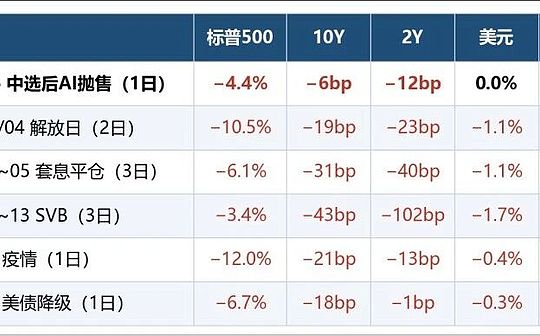
US equity markets experienced a sharp sell-off following a decisive Democratic victory in the midterm elections, with the Nasdaq falling over 5% intraday and the Philadelphia Semiconductor Index plunging nearly 11%. Nvidia, the poster child of the AI boom, dropped approximately 9%. The rout was fueled by a confluence of factors: rising electricity costs for data centers and a wave of local opposition that has led several newly elected governors to pledge to halt the construction of new AI data centers.
Industry Analysis and Implications
The election results have introduced a new layer of political risk to the AI infrastructure narrative. For years, the buildout of massive data centers has been a key pillar of the AI investment thesis, driving demand for chips, power, and cooling systems. However, the surge in electricity prices—exacerbated by the energy-intensive nature of AI workloads—has sparked backlash in communities across the country. Newly elected state leaders, particularly in regions with high concentrations of data centers, have promised to impose moratoriums, citing strain on local grids and environmental concerns.
This political shift threatens to slow the pace of AI infrastructure expansion, which could have ripple effects across the tech sector. Semiconductor companies, which have benefited immensely from the AI boom, are particularly vulnerable. Nvidia’s steep decline reflects investor anxiety that demand for its GPUs may not be as insatiable as previously thought if data center projects are delayed or canceled. Moreover, the broader market downturn underscores the fragility of the AI trade, which has been a major driver of US stock market gains.
Forward-Looking Perspective
Looking ahead, the intersection of politics and AI infrastructure is likely to become more contentious. Investors will need to monitor policy developments at the state level, as well as potential federal responses. The energy demands of AI are undeniable, and balancing them with local concerns will be a key challenge. For crypto markets, which have increasingly intertwined with AI narratives through decentralized compute and GPU networks, the shift could present both risks and opportunities. While traditional AI stocks may face headwinds, decentralized alternatives could attract interest if centralized data centers face regulatory hurdles. However, the immediate outlook is one of heightened volatility as markets digest the new political reality.