AI Stocks Plunge as Voters Turn Against Data Centers: The Political Economy of AI
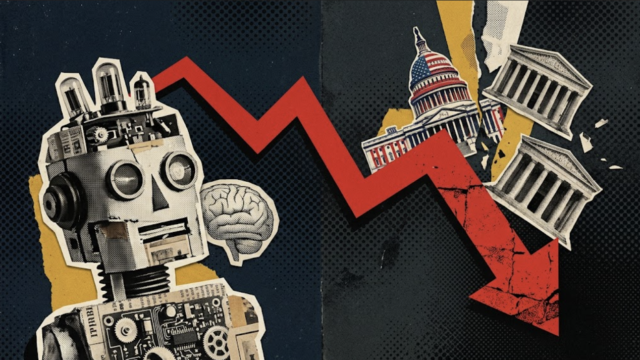
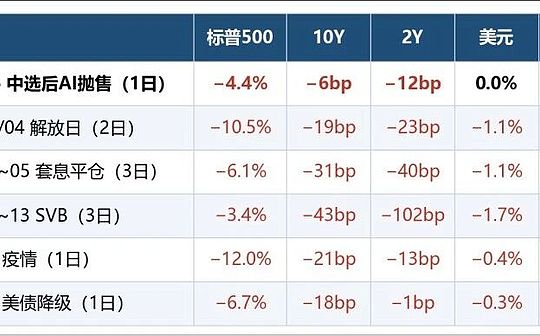
Cointime reports: In a dramatic session, the Nasdaq fell over 5% intraday, the Philadelphia Semiconductor Index dropped nearly 11%, and Nvidia lost almost 9%. The selloff erased roughly $1.8 trillion in market value from the Nasdaq in a single day, with chip, computing, and data center-related names hit hardest. The trigger was not an earnings miss or a macro shock, but a political earthquake: the U.S. midterm elections delivered a sweeping Democratic victory, including an upset in Texas, and voters in multiple states rejected new data center projects.
From Ballot Box to Market Meltdown
The election outcome emboldened progressive lawmakers who have proposed a moratorium on advanced AI development. Representative Yassamin Ansari called for pausing frontier AI and banning artificial superintelligence. A bill introduced in September, the “Ban Artificial Superintelligence Act of 2026,” would prohibit training runs above 10^25 FLOPs—a threshold that every frontier model since GPT-4 has exceeded—and impose criminal penalties of up to 20 years and corporate dissolution for violations. While the bill is unlikely to become law given the President’s veto power, the real market shock came from the groundswell of local opposition to data centers.
The Electricity Bill Revolt
U.S. residential electricity prices have risen more than 10% since 2024, with some states seeing increases above 20%. Data centers have pushed wholesale power prices up by as much as 15% in concentrated areas. Voters in Texas, Georgia, and Ohio elected governors who promised to pause new data center construction or revoke subsidies. In 13 states, over 50 ballot measures related to data centers appeared, and nearly all passed in opposition. The message is clear: the benefits of AI accrue nationally—to Silicon Valley and Wall Street—while the costs are localized in higher utility bills and strained resources.
Implications for Crypto and AI Infrastructure
The selloff underscores a growing political risk for AI infrastructure investments, which could spill over into crypto-AI narratives. Decentralized compute networks and GPU tokenization projects may face similar backlash if they are perceived as externalizing costs. However, the crisis also highlights the need for distributed, community-aligned infrastructure models—an area where crypto’s incentive mechanisms could offer alternatives. For now, the market is repricing the assumption of unlimited AI expansion, and the political economy of AI has become a force to reckon with.
Forward-Looking Perspective
The AI bull market’s underlying premise—that capital expenditure can grow indefinitely—is now in question. Investors should watch for state-level policy actions, utility rate cases, and the 2028 presidential election, which could determine whether the pause becomes permanent. The gap between technological progress and shared prosperity is the core issue; until AI’s benefits reach ordinary households, political resistance will only intensify. For crypto, the lesson is clear: infrastructure must be built with community consent, or it risks the same fate.