AI Infrastructure Selloff Deepens as Political Tide Turns
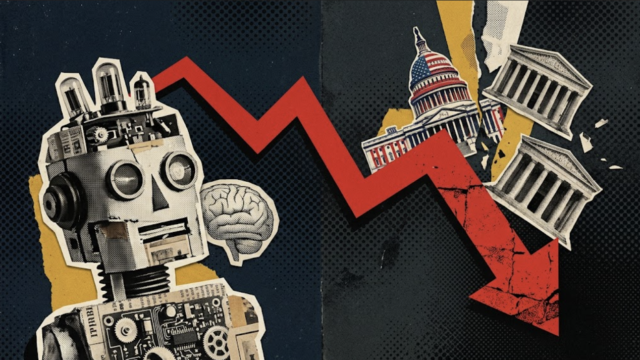
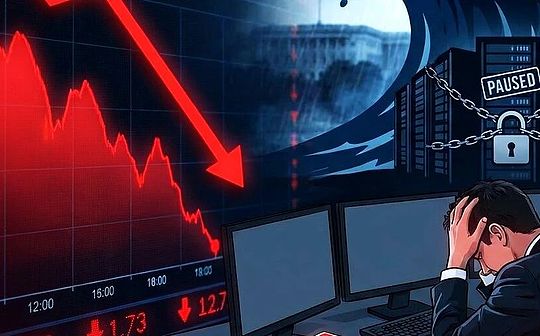
Cointime reports: US equities suffered their sharpest selloff of the year on November 5, with the Nasdaq dropping nearly 6% intraday and AI infrastructure stocks falling 10-20%. The trigger: Democrats clinched control of Congress on November 3, raising fears of a nationwide pause on AI data center construction. The selloff intensified two days later, with traders reporting “no buyers” as long-only funds froze and hedge funds dumped mega-cap cloud stocks they had just bought.
Core Worry: Too Many Chips, Too Few Data Centers
The market’s fear is not weak AI demand but a looming mismatch: by 2028, insufficient land, power, and shell space could leave chips stranded. Texas, Ohio, and Georgia—traditionally red states—flipped blue, and Texas alone accounts for about a quarter of planned US capacity. A $15 billion bridge loan for an Anthropic-backed data center project stalled after a Texas pause order. Traders say valuation logic is being reassessed: expectations for 30%+ GW growth in 2028 are now shifting toward flat versus 2027, compressing multiples.
Hardest hit: semiconductors, memory (DRAM, NAND, HDD), data center construction firms, independent power producers in Texas/Georgia/Ohio, and neoclouds. Marvell fell 14% on the day and 58% from its peak; Lumentum dropped 16%; Western Digital lost 17%; SK Hynix and Micron fell 13.4% and 17.5%, respectively. The “big tech benefits” thesis—that regulatory tightening would make existing capacity more valuable—lasted just one day before hedge funds sold.
Fund Blowups and the ‘Darkest Before Dawn’ Trade
October’s AI selloff already wounded major hedge funds: Walleye Capital lost 5.9% and is streamlining its equity long-short desk, while Engineers Gate is reportedly shutting down. Rumors of fresh blowups are circulating, potentially exacerbating oversold conditions. Still, some traders see relief ahead. “The drop feels overdone. It’s always darkest before dawn,” one hedge fund manager said, noting that positioning is extremely light and Goldman Sachs Research expects data center concerns to fade post-election as voter priorities shift.
The key debate: how many GW of data center capacity will actually come online in 2027-2028. Pessimists like Altimeter’s Brad Gerstner see 10-15 GW at risk in 2027, while SemiAnalysis flags 16.7 GW of Texas capacity in 2028. Optimists argue most 2027 capacity is already under construction or permitted, state legislatures constrain pause orders, and Trump’s veto power makes a national pause nearly impossible. With tech positioning already light, a sharp reversal cannot be ruled out.